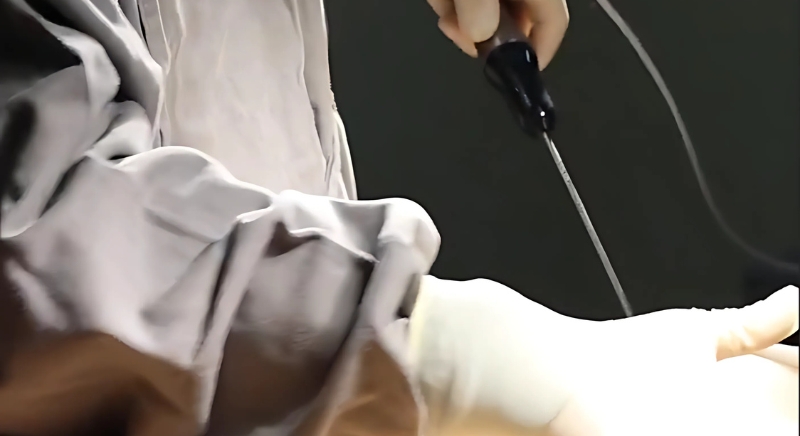
An eyebrow transplant is a surgical procedure where hair follicles are transplanted from one area of the body (usually the scalp) to the eyebrows. The goal is to restore or enhance the shape, thickness, and symmetry of the eyebrows for a more youthful and defined appearance.
Unlike temporary cosmetic treatments like microblading, which involves tattooing pigment into the skin, an eyebrow transplant provides permanent, natural-looking results by using real hair.
"Beauty begins the moment you decide to be yourself."
Coco Chanel
How Eyebrow Hair Transplant Surgery Works
FUE vs. FUT Techniques
There are two primary techniques used in eyebrow hair transplant surgery: Follicular Unit Extraction (FUE) and Follicular Unit Transplantation (FUT). Both methods are effective, but they differ in the way hair follicles are harvested and implanted.
- FUE (Follicular Unit Extraction): This technique involves removing individual hair follicles from the donor area, typically the scalp, using a small, circular punch tool. The follicles are then implanted into tiny incisions in the eyebrow area. FUE leaves no linear scar, making it ideal for those who want minimal visible scarring.
- FUT (Follicular Unit Transplantation): In FUT, a strip of skin is removed from the donor area, usually the back of the scalp. The hair follicles are extracted from this strip and then transplanted to the eyebrows.
Where the Donor Hair Comes From
The donor hair for an eyebrow hair transplant typically comes from the scalp, as hair in this area is more similar in texture to eyebrow hair. The hair from the back or sides of the scalp is usually chosen for its consistency, thickness, and growth pattern. In some cases, body hair may also be used as a donor source, especially if the scalp hair does not match the desired texture.
Step-by-Step Guide to the Procedure
Initial Consultation
The first step in the eyebrow transplant process is a consultation with a qualified surgeon. During this visit, the surgeon will assess your facial features, existing eyebrow shape, and hair loss patterns. They will also discuss your expectations and determine the best approach for achieving the desired results. The surgeon will evaluate your scalp hair for suitability as a donor site and explain the procedure in detail.
Pre-Surgery Preparation
Before the eyebrow transplant, there are a few steps you’ll need to follow to prepare. These may include avoiding certain medications, such as blood thinners, that could increase the risk of bleeding. You will also be advised to refrain from alcohol and smoking for several days before the procedure, as these can interfere with healing and circulation.
On the day of the surgery, your surgeon will clean and mark the areas for the eyebrow transplant. They will also numb the donor and recipient areas with local anesthesia to ensure that you are comfortable throughout the procedure.
The Day of the Surgery
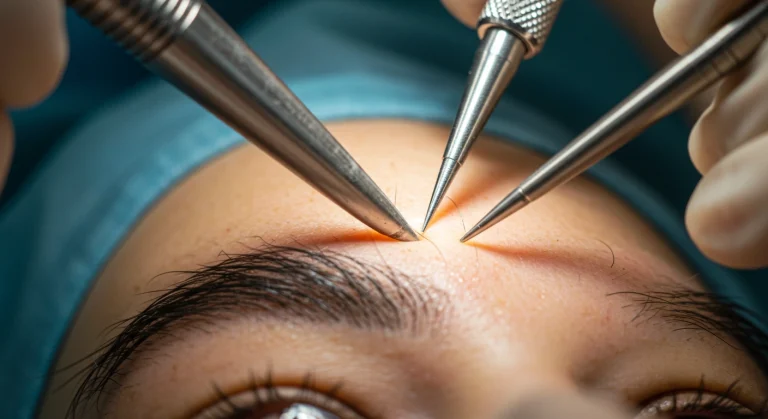
On the day of your eyebrow transplant, the procedure will typically take 3 to 6 hours, depending on the number of grafts needed. After the local anesthesia is administered, the surgeon will begin extracting hair follicles from the donor site (either using FUE or FUT).
The follicles are then carefully implanted into the eyebrow area, following the natural growth pattern and direction of your existing eyebrow hair.
Duration of the Procedure
The procedure usually lasts between 3 to 6 hours, depending on the complexity of the transplant and the number of grafts needed. Larger areas or more extensive restoration may take longer. Most patients only need a single session, but in some cases, additional sessions may be required to achieve the desired fullness.
What to Expect After an Eyebrow Transplant
Immediate Aftercare
After your eyebrow transplant, you may experience some swelling, redness, and tenderness in the eyebrow and donor areas. These side effects are normal and usually subside within a few days. You will be given instructions on how to care for your eyebrows during the healing process, including how to clean the area and avoid direct sunlight or strenuous activities.
It’s important to avoid touching or scratching the transplanted area to prevent dislodging the grafts. Your surgeon may also recommend using a special ointment or saline solution to keep the area clean and promote healing.
Healing Timeline
The healing process after an eyebrow hair transplant typically takes about 7 to 10 days. During this time, the transplanted hair will shed, which is completely normal. New hair growth usually begins within 3 to 4 months, and full results can be seen in about 9 to 12 months. You may experience some initial shedding, but the hair will gradually grow back stronger and thicker.
Long-Term Maintenance
Once the transplanted hair begins to grow, it will behave like your natural eyebrow hair. You may need to trim the hairs to maintain the shape and size of your eyebrows. Regular follow-up appointments with your surgeon will ensure that your eyebrow hair is growing as expected and that there are no complications during the healing process.
Benefits of Hair Transplant for Eyebrows
Natural and Permanent Results
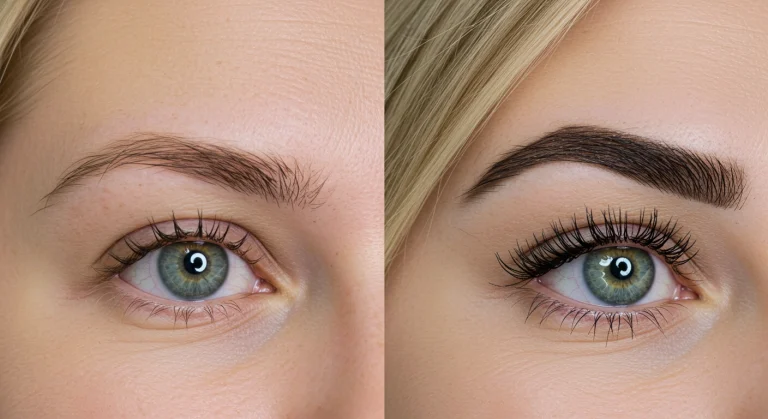
One of the biggest benefits of an eyebrow transplant is that it offers natural and permanent results. Unlike microblading or tattoos, which fade over time and require touch-ups, an eyebrow hair transplant involves real hair that grows naturally. Once the hair follicles have settled and begun growing, your eyebrows will appear full, defined, and natural.
Boost in Confidence
Many people who undergo an eyebrow transplant experience a significant boost in confidence. Having well-shaped, thick eyebrows can enhance facial features and make a person feel more comfortable with their appearance. For those who have struggled with thin or sparse eyebrows due to genetics, over-plucking, or aging, a hair transplant can provide a transformative solution.
Suitable for Most Skin and Hair Types
Eyebrow hair transplant surgery works for a wide range of individuals, regardless of skin tone or hair type. The hair used in the transplant is from your own body, ensuring that the texture and color will blend naturally with your existing hair. The procedure is customizable to suit your unique needs and desired eyebrow shape.
Risks and Considerations
Possible Side Effects
As with any surgical procedure, there are potential risks and side effects associated with an eyebrow transplant. Some common side effects include:
- Swelling and redness in the eyebrow area
- Tenderness and mild discomfort at the donor and recipient sites
- Bruising around the eyebrows or donor area
These side effects are typically temporary and resolve within a few days. However, it’s important to follow post-operative care instructions to minimize risks and ensure proper healing.
Rare or Potential Risks
Though rare, some potential risks of eyebrow hair transplant surgery include:
- Infection at the incision sites
- Scarring at the donor site or recipient area
- Poor graft survival, meaning some of the transplanted hair may not grow successfully
It’s essential to choose a skilled and experienced surgeon to minimize these risks and ensure the best results.
Is Everyone a Candidate?
Not everyone is a candidate for an eyebrow hair transplant. Individuals with certain health conditions, such as autoimmune disorders or blood clotting problems, may not be suitable for the procedure.
Additionally, if you have extremely thin or weak donor hair, you may need to consider alternative options. A consultation with a qualified surgeon will help determine if you’re a good candidate for the procedure.
Recap of Natural Results and Benefits of Eyebrow Transplant
An eyebrow transplant offers a natural and permanent solution to individuals seeking fuller, more defined eyebrows. With techniques like FUE and FUT, the procedure provides long-lasting results that mimic the appearance of real hair. While there are risks associated with the surgery, these are minimal when performed by a skilled professional. The results can significantly boost your confidence and enhance your facial features.
Before deciding on an eyebrow transplant, it’s important to conduct thorough research and consult with an experienced surgeon to discuss your goals, expectations, and suitability for the procedure. With the right care and expertise, an eyebrow transplant can offer a transformative, long-term solution to eyebrow hair loss or thinning.